
If you are a new people leader, here is the weird truth nobody warns you about. You can be great at your job and still struggle as a manager. The job is not being the smartest person in the room anymore. It is supporting the smartest people. Helping them work together. Keeping the mission clear. Creating results through relationships. That requires a different skill set, especially when the moment gets uncomfortable.
The credibility moment most leaders miss
When the message is uncomfortable, credible leaders are clear and kind at the same time. That is my favorite tell of credibility. Non credible leaders get vague, over explain, or hide behind corporate speak. In other words, they say a lot without saying much. That is where trust erodes and where leadership credibility is either earned or lost.
What a credibility statement actually is
A credibility statement is a short line you say, or write, that helps someone decide three things fast.
- You see what’s real.
- You know what you’re doing.
- You are on their side, even while you are being direct.
It is basically truth plus ownership plus care. Credibility in leadership is not just competence. It is character. People are constantly asking, Can I trust your intent? Do you have my back? Can you tell me the truth without trying to make me small?
A simple definition of credibility
Here is the definition I want you to keep in your back pocket. Credibility is the confidence people have in you because they trust your competence and they trust your character. That is credible leadership. That is leading with trust. And for new managers, the fastest way to build credibility is to have language ready before you need it.
Why these phrases work in real conversations
These phrases are not cheesy openers. They are lines you can interject at the right time to change the tone of the conversation. They help you hold people accountable without being a jerk. Leading out of fear takes no talent. Anyone can do it. You might get compliance, but you will lose commitment. Leading with care and credibility is harder. It takes more patience, more communication, more accountability, and more intentionality. It is worth it.
Three credibility mistakes new managers make

Before we get to the list, let me name the three credibility mistakes I see new managers make all the time.
- They get too vague. They are uncomfortable delivering uncomfortable feedback, so they sugarcoat it. They hint. They hope people read between the lines. Clarity is not harsh. Clarity is respectful.
- They do not set boundaries quickly enough. There is a saying that you teach people how to treat you. Your team will test the edges, not because they are bad people, but because they are human. You owe it to yourself and the team to set boundaries quickly, especially around respect.
- They over explain. Sometimes they are not sure of the answer, so it feels like they are talking their way to an answer. When you over explain, you come across as nervous. Confidence is just as important as competence. Be brief and brilliant. Say what you need to say, then listen for the period. When you hear it, stop talking and give the other person a chance to respond.
Now, here are ten credibility statements you can use right now. Save them. Screenshot them. Practice them in a low stakes moment so they show up for you in a high stakes moment.
10 credibility statements new managers can use right now

1) Clarity when you don’t know yet
Credibility statement:
“I don’t have the full answer, and I won’t fake one. Here’s what I know right now.”
Use it when: there’s uncertainty, rumors, incomplete info, or you’re waiting on a decision.
2) Performance and accountability
Credibility statement:
“I want you to win here. Let’s talk about what’s not working and what has to change.”
Use it when: performance is slipping, standards are missed, habits are hurting results.
3) Conflict de escalation and alignment
Credibility statement:
“I’m not against you and I’m not here to win. I’m here to figure things out together.”
Use it when: someone is defensive, heated, or assuming bad intent.
4) Repair and ownership
Credibility statement:
“I owe you an apology.”
Use it when: you missed something, handled it wrong, spoke poorly, or broke trust.
5) Validation and psychological safety
Credibility statement:
“That sounds heavy. Thank you for trusting me with it.”
Use it when: someone shares personal stress, frustration, fear, or hard news.
6) Healthy disagreement
Credibility statement:
“I see things differently, and you deserve to know why.”
Use it when: you need to challenge a perspective without dismissing the person.
7) Setting expectations up front
Credibility statement:
“Let’s get specific about what good looks like.”
Use it when: starting a project, delegating, onboarding, or clarifying outcomes.
8) Leading change from above
Credibility statement:
“I didn’t create this decision, but I will own how we move through it.”
Use it when: policy shifts, process changes, restructures, budget cuts, new priorities.
9) Recognition and momentum
Credibility statement:
“I’m so darn proud of you for __________.”
Use it when: effort and progress deserve a spotlight, not just the final result.
10) Boundaries and respect
Credibility statement:
“Let’s pause and reset the tone. We can disagree but we can’t disrespect one another.”
Use it when: sarcasm, eye rolling, side comments, interruptions, blame, or disrespect shows up.
Where to use these if you are leading a team meeting
If you want a simple sample of credibility statement in leadership speech, think of a leadership speech as any moment you are leading people through clarity, change, or conflict. It can be a team meeting, a project kickoff, a one on one, a hallway moment, or a huddle before a big day. You can use any of the statements above as part of a short leadership message, especially in moments of uncertainty or tension. A few that work well in front of a team are, “I don’t have the full answer, and I won’t fake one. Here’s what I know right now.” Or, “I didn’t create this decision, but I will own how we move through it.” Or, “Let’s pause and reset the tone. We can disagree but we can’t disrespect one another.” These lines create leadership presence because they are calm, clear, and human.
A final note for new managers
You do not need more jargon. You need language that helps you show up with courage and care. These credibility statements help people feel like you are a team player, like you have their back, and like you are not out against them. And when people feel that, they can finally hear your competence.
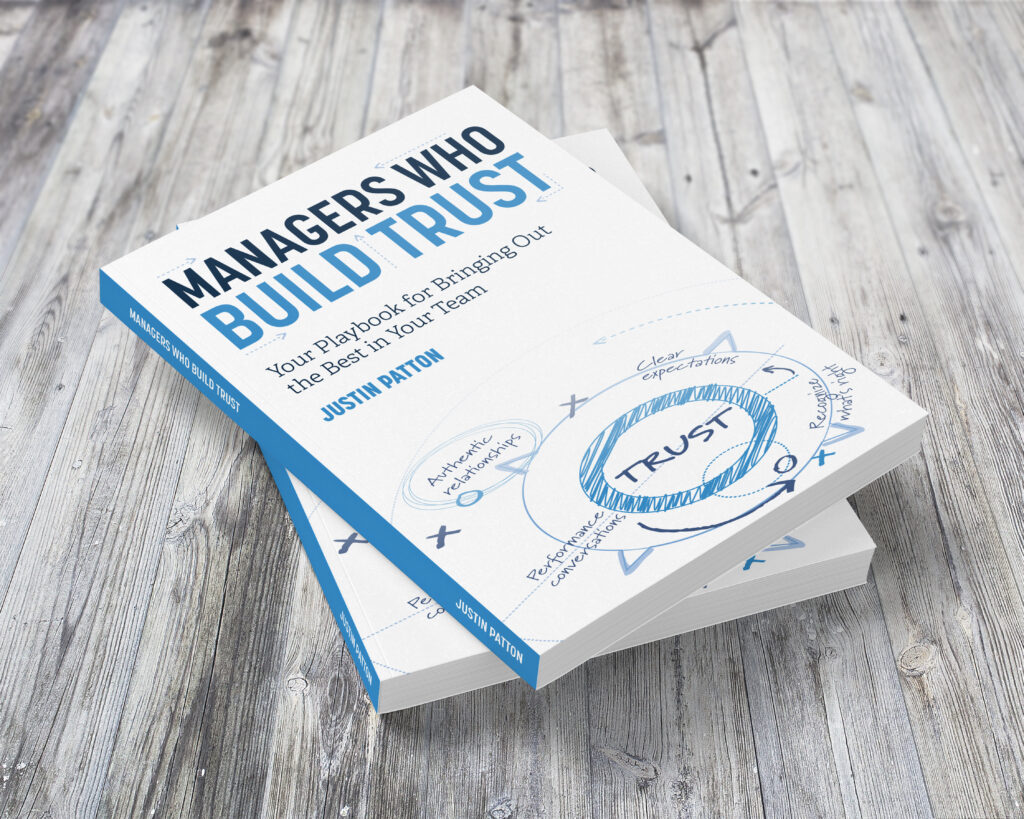
If you want a deeper dive into this style of leading, this is a big part of what I teach in my book, Managers Who Build Trust.
WATCH JUSTIN: KEYNOTE SPEAKER ON TRUST
Justin Patton is a trust keynote speaker, leadership coach, and founder of The Trust Architect Group. Through his trademark motto Trust Starts Here™, Justin helps leaders build trust in themselves, with others, and across their culture — so they keep people coming back for more. Learn more at justinpatton.com.